

Retour sur « Housing policy, residential and social mobility: becoming middle-class in Cape Town » | Looking back at “Housing policy, residential and social mobility: becoming middle-class in Cape Town”
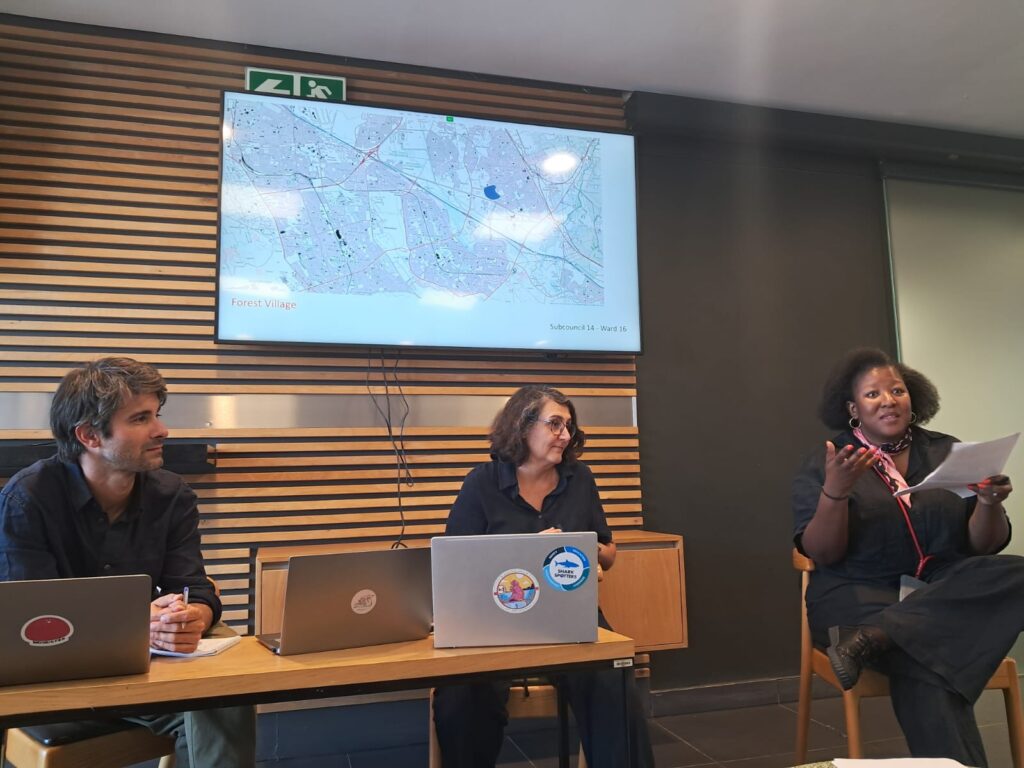
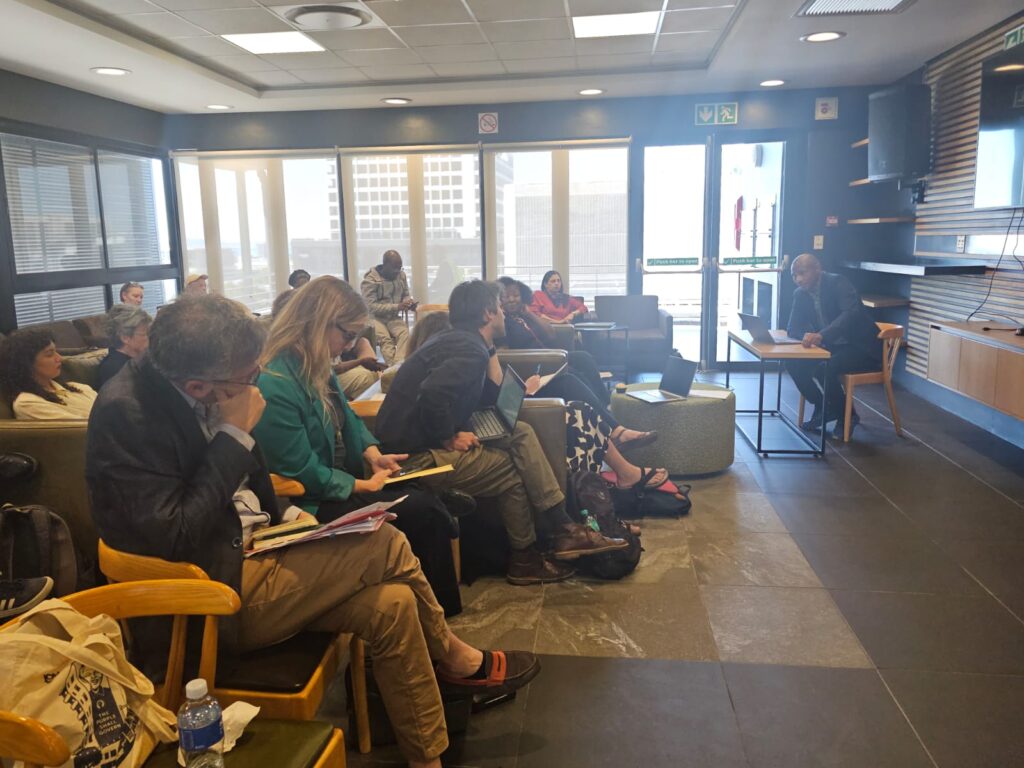
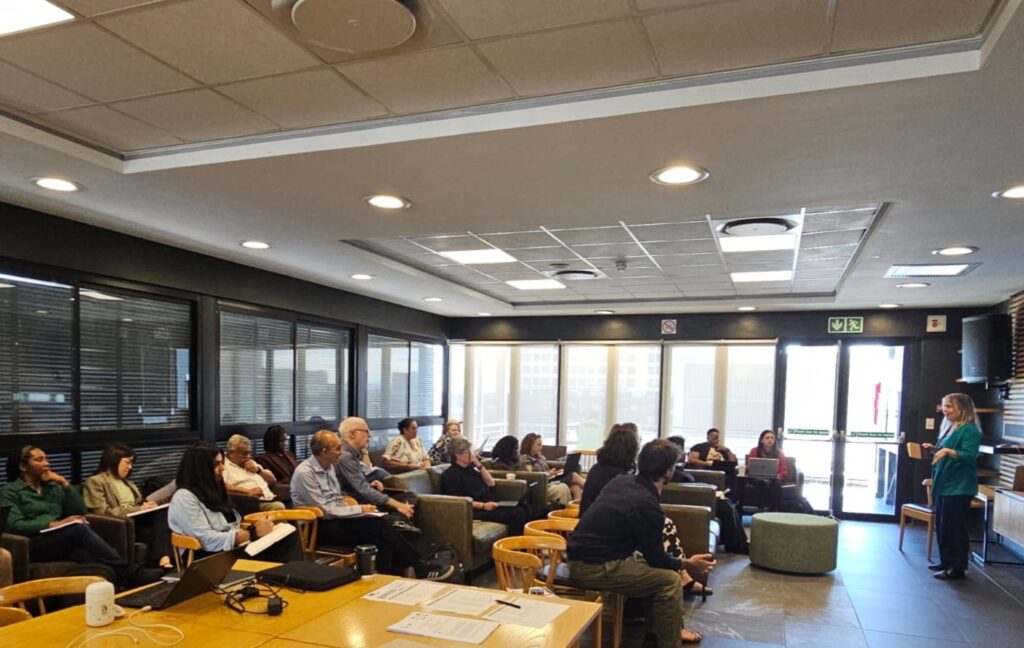
Le 28 octobre dernier, le Western Cape Department of Infrastructure accueillait au Cap le workshop « Becoming middle-class », un événement soutenu par l’IFAS-Recherche. Il a réuni des chercheur·ses de France et d’Afrique du Sud, ainsi que des représentant·es des pouvoirs publics (Western Cape Department of Infrastructure, Department of Human Settlements).
Cette journée a présenté les résultats du programme Protea URBAPOL (Urbanités Politiques), porté par des universités sud-africaines (Western Cape, Stellenbosch) et françaises (INALCO, Paris Nanterre, Paris Cité), et cofinancé par la National Research Foundation et le gouvernement français (programme PHC).
Au cœur des discussions : le First Home Finance Programme (ex-FLISP), un dispositif de subvention destiné aux ménages situés juste au-dessus du seuil de gratuité du logement, mais exclus du marché. En croisant entretiens qualitatifs sur les trajectoires résidentielles et enquête quantitative sur les conditions de vie des primo-accédant·es à Pelican Park–New Horizons (projet phare de la Ville du Cap) et à Forest Village (projet provincial de relogement), les travaux interrogent les effets sociaux et spatiaux de cette politique, la signification politique de l’accession à la propriété, et ce que signifie « devenir » classe moyenne dans ces contextes urbains. Une perspective comparative avec le cas colombien a également enrichi les échanges.
On 28 October, the Western Cape Department of Infrastructure hosted the “Becoming middle-class” workshop in Cape Town, an event supported by IFAS-Research. It brought together researchers from France and South Africa and representatives from the Western Cape Department of Infrastructure and the Department of Human Settlements.
The day presented the findings of the URBAPOL (Political Urbanities) Protea programme, led by South African universities (Western Cape, Stellenbosch) and French universities (INALCO, Paris Nanterre, Paris Cité), and co-funded by the National Research Foundation and the French Government (PHC programme).
The discussions centred on the First Home Finance Programme (formerly FLISP), a subsidy scheme for households just above the threshold for fully subsidised housing but priced out of the open market. Combining qualitative interviews on residential histories with a quantitative survey of first-time home buyers in Pelican Park–New Horizons (a flagship City of Cape Town project) and Forest Village (a provincially led relocation project), the research examines the social and spatial effects of the policy, the political significance of home ownership, and what it means to “become” middle class in such urban contexts. A comparative perspective on Colombia further enriched the debate.